Introduction to DILF: Definition and Basic Explanation
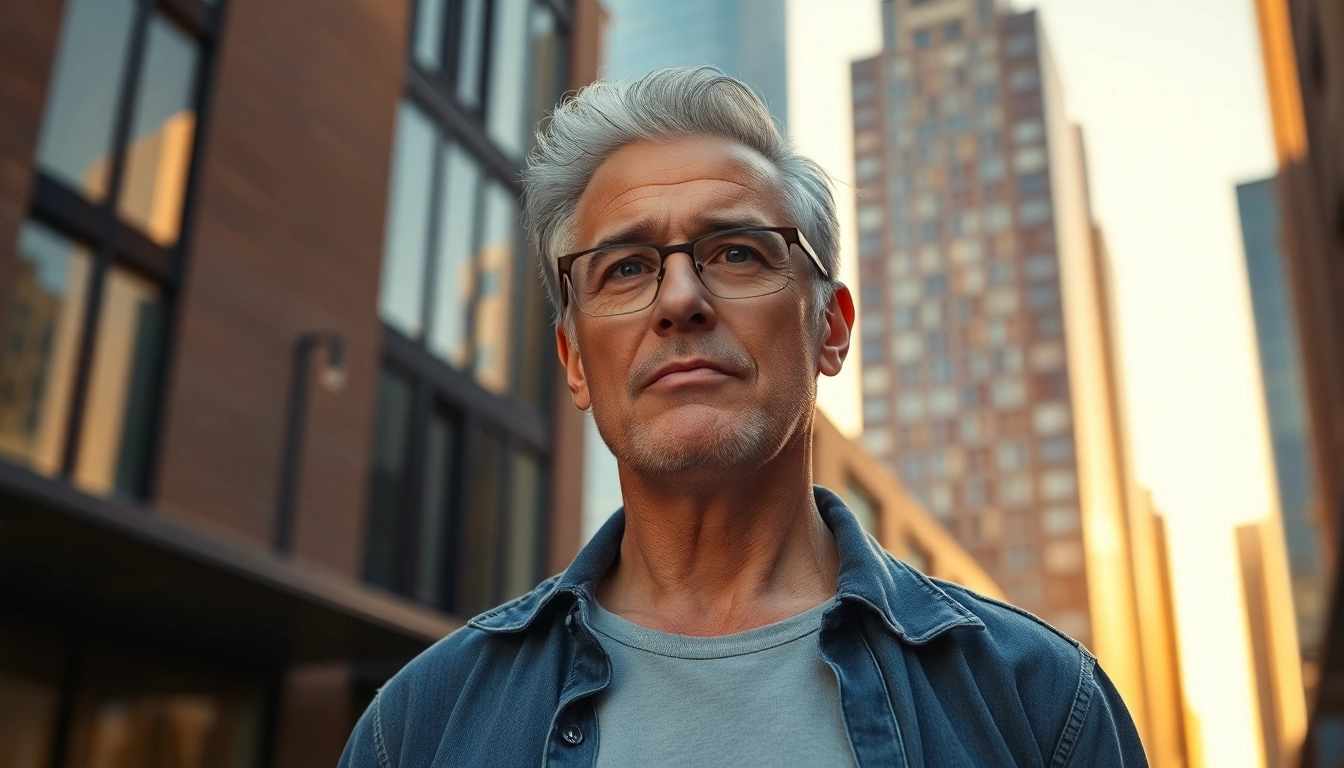
The term dilf meaning has gained popularity in recent years, especially within pop culture, internet slang, and social media communities. It is an acronym that stands for “Dad/Daddy I’d Like to F*,” and it typically refers to an older, mature man who possesses an attractive and sexually appealing demeanor. Importantly, the term does not necessarily imply that the man is actually a father; rather, it emphasizes a certain rugged, masculine, and mature appeal that resonates with many people. The DILF archetype often embodies qualities such as strength, confidence, and a protective aura, which combined with good looks, make them desirable in the eyes of many.
Understanding the dilf meaning is essential for grasping how this term has permeated various facets of popular culture, internet humor, and even adult entertainment. This article explores the origins, cultural references, media portrayals, and societal perceptions surrounding the term, offering a comprehensive view of its significance and evolution over time.
The Origins of the Term: From MILF to DILF
The Cultural Roots of MILF and the Emergence of DILF
The term dilf meaning is a linguistic evolution that traces back to the popularization of the acronym MILF, which stands for “Mom I’d Like to F*.” MILF gained widespread recognition in the late 1990s and early 2000s, especially through pop culture phenomena like the “American Pie” film series. The term was initially used humorously and provocatively to describe attractive, mature women who exude a certain sexy confidence.
As the concept of mature attractiveness became more mainstream, the counterpart idea emerged: an attractive, older man who embodies similar qualities. This led to the creation of the term DILF, which playfully mirrors MILF but shifts focus to older men who are considered sexually appealing despite—or because of—their age. The phrase encapsulates a cultural shift where age and maturity are increasingly associated with sex appeal, challenging traditional notions that youth are the sole determinants of attractiveness.
Popularization and Spread
The DILF term started to gain traction in online communities, social media, and casual conversations, especially as fans and audiences began to appreciate the appeal of mature masculinity. Its playful, humorous tone made it an easily adoptable slang term, often used in memes, jokes, and social commentary. The term’s rise coincided with a broader cultural acceptance of age diversity in attractiveness and sexuality, breaking away from the youth-centric standards of beauty.
Cultural References and Media Portrayals
Daddy Halsin in Baldur’s Gate
One of the most notable examples of the DILF archetype in popular culture is the character Daddy Halsin from the acclaimed role-playing video game Baldur’s Gate III. Known for his protective nature, physical strength, and commanding presence, Halsin has become affectionately dubbed “Daddy Halsin” by fans. His appearance—rugged, mature, and undeniably attractive—fits the typical DILF mold, and players often comment on his charisma and leadership qualities. The nickname underscores how gaming communities adopt and reframe characters, blending admiration with humor, and highlighting the cultural resonance of the DILF archetype even in niche entertainment genres.
Fred Andrews in Riverdale
The character Fred Andrews from the popular Netflix series Riverdale is another quintessential example of a DILF in television. Portrayed by actor Luke Perry, Fred embodies the classic “all-American dad” persona—strong, caring, and attractive in a mature way. Fans frequently describe him as a DILF because of his rugged charm, protective attitude, and conventional good looks. The character’s portrayal helped cement the idea that older men with a sense of stability and masculinity can be highly desirable, and this portrayal has contributed to the popularization of the term among younger audiences.
The DILFs of Disneyland Instagram Phenomenon
In recent years, social media platforms like Instagram have given rise to niche communities celebrating DILFs in everyday settings. One notable phenomenon is the Instagram account DILFs of Disneyland, which features photos of attractive, mature men spending quality time with their families at Disneyland. With over 300,000 followers, this account champions the idea that DILFs are not just fictional characters but real men who embrace their maturity and attractiveness in relatable, family-friendly environments. This phenomenon underscores how the term has evolved from a humorous label to a broader cultural appreciation of mature masculinity in everyday life.
DILF in Popular Culture and Entertainment
Portrayals in Movies and TV Shows
Beyond specific characters like Halsin or Fred Andrews, the DILF archetype has become a recurring theme in movies and television. It often appears in romantic comedies, dramas, and even action films where older male characters are depicted as physically attractive, confident, and emotionally mature. These portrayals help normalize and celebrate the attractiveness of older men, challenging stereotypical notions that only youth are desirable.
For example, in the 2009 film American Pie Presents: The Book of Love, a DILF character is introduced as Rob’s father, played with a humorous and flirtatious tone. This film, stemming from the same franchise that popularized MILF, reflects how the DILF concept is embedded in comedy and light-hearted entertainment, often used to evoke humor or admiration.
Celebrity DILFs and Pop Icons
Certain celebrities are frequently dubbed DILFs by fans and media alike. Actors like George Clooney, Pierce Brosnan, and Idris Elba have all been celebrated for their mature charm and sex appeal, fitting the DILF profile. These figures often symbolize the ideal of the attractive, confident, older man who remains desirable across different generations.
The Role of DILF in Internet and Pornographic Culture
Online Communities and Social Media
The internet has played a pivotal role in popularizing and normalizing the DILF label. Communities such as r/DILFs on Reddit have amassed nearly 100,000 members who share photos, memes, and discussions centered around DILFs. These communities foster a sense of camaraderie and celebration of mature masculinity, often blending humor, admiration, and sexual appreciation.
Search Trends and Pornography
Within adult entertainment, the tag DILF has become a widely searched keyword, reflecting its popularity in pornography. The term is used to categorize videos and images featuring older, attractive men, emphasizing that age is no barrier to sexual appeal. This has contributed to a broader cultural acceptance and visibility of DILFs in adult content, challenging traditional age norms and opening avenues for more diverse representations of masculinity.
Social Perception and Humor: When and How the Term is Used
Humor and Compliments
In casual conversations and social media, the term DILF is often used humorously or as a compliment. It can be a playful way to acknowledge a man’s attractiveness, confidence, or maturity. For example, someone might comment, “That’s one handsome DILF,” blending admiration with humor. The playful nature of the term allows it to be used affectionately or teasingly, depending on context.
Controversies and Misconceptions
While generally accepted in many circles, the term can sometimes be misunderstood or misused, leading to controversy. Some argue that labeling men as DILFs reduces them to their physical appearance or perpetuates objectification. Others see it as a harmless expression of admiration and appreciation for mature masculinity. As with many slang terms, context and intent are key to understanding how DILF is perceived and used.
The Evolution and Future of the DILF Label
Changing Attitudes Toward Age and Attractiveness
As societal attitudes continue to evolve, so does the perception of what constitutes attractiveness. The DILF label reflects a broader acceptance of age diversity and the recognition that maturity and masculinity are desirable qualities. Future trends may see an even greater appreciation for older men in media and popular culture, further normalizing the DILF archetype.
Potential for Mainstream Integration
Given its growing popularity, it is likely that the term DILF will become even more mainstream, crossing over from internet slang and niche communities into broader cultural conversations. This could include more representation in advertising, entertainment, and celebrity culture, emphasizing the timeless appeal of mature masculinity.
Conclusion: Why Understanding DILF Matters / Understanding the DILF Meaning: Origins, Cultural Impact, and Popularity
The dilf meaning encapsulates a modern appreciation for mature masculinity, blending humor, admiration, and cultural commentary. From its origins as a playful extension of the MILF phenomenon to its current status in internet culture, entertainment, and social media, the DILF archetype highlights changing perceptions of attractiveness and age. Recognizing the significance of this term helps us understand broader societal shifts toward embracing diversity in sexuality and masculinity.
Whether used as a compliment, a meme, or a cultural reference, DILFs exemplify how language evolves to reflect changing attitudes and values. As the cultural landscape continues to shift, the DILF archetype will likely remain a symbol of confident, attractive maturity, challenging outdated stereotypes and celebrating a broader spectrum of male attractiveness in the modern world.