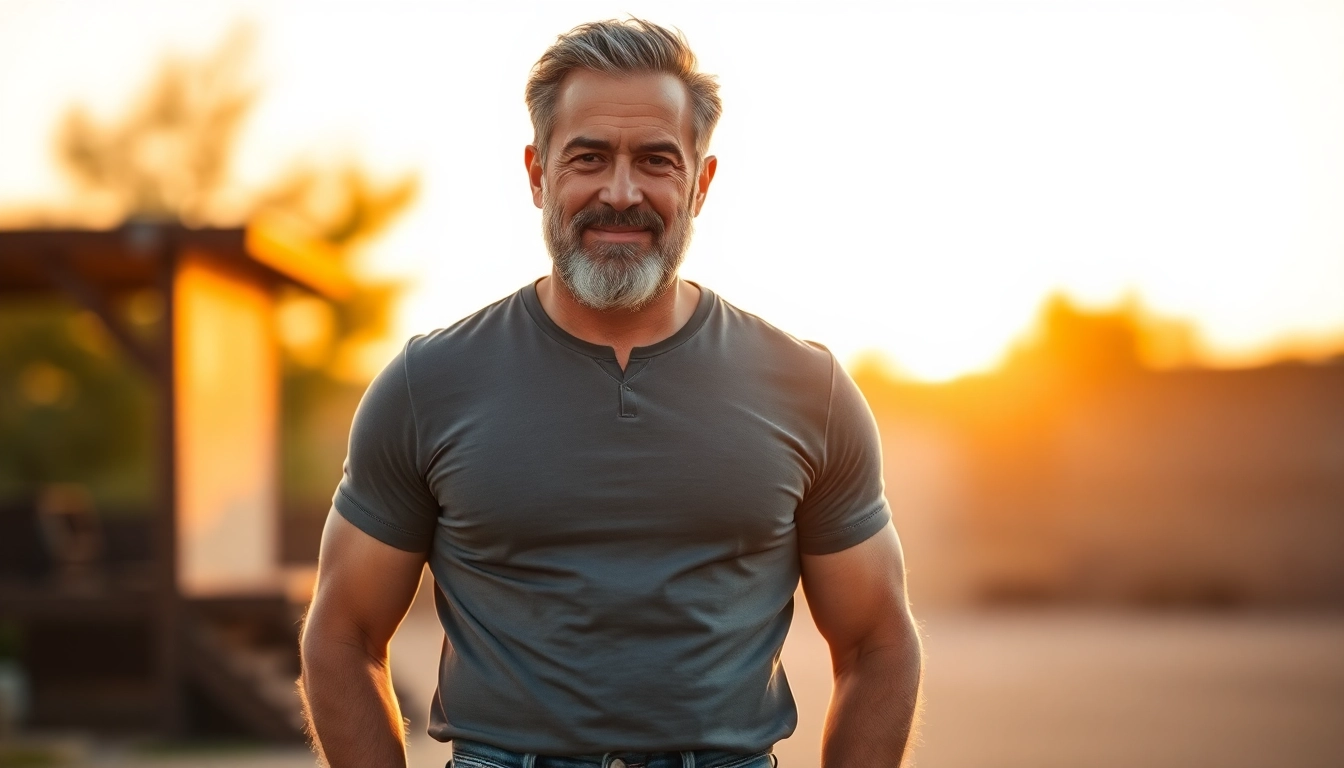
Introduction to the Term “DILF” and Its Origins
The term dilf has become a widely recognized part of modern slang, especially within pop culture and internet communities. It stands for “Dad/Daddy I’d Like to F*,” a provocative and humorous acronym used to describe an older, mature man who exudes attractiveness and sexual appeal. Although the phrase explicitly references the idea of a fatherly figure, it is not necessarily limited to actual fathers; rather, it emphasizes the qualities associated with maturity, confidence, and appeal that many find irresistibly attractive in older men. The origin of the term is somewhat recent, gaining popularity in the early 2000s, shortly after the rise of the similarly themed “MILF,” which stands for “Mother I’d Like to F*.” Both terms serve as colloquial expressions that reflect societal attitudes towards age, masculinity, and attractiveness, often blending humor with admiration.
The emergence of dilf as a cultural phenomenon can be traced back to the late 20th and early 21st centuries, coinciding with the mainstreaming of internet culture and the viral spread of slang. The term was popularized partly through media portrayals, internet memes, and social media platforms that embraced candid and humorous depictions of older men who defy traditional notions of aging. It is important to recognize that the concept of a dilf transcends simple physical attractiveness; it often encompasses personality traits such as confidence, charisma, and a sense of maturity that adds to their appeal. Over time, the term has evolved from a humorous label to a more nuanced descriptor that can carry both admiration and playful teasing.
Cultural Significance and Popular Usage
The dilf has cemented itself as a staple in modern vernacular, especially within the context of sexual and pop culture. Its usage spans casual conversations, social media, and entertainment, often serving as a compliment or a humorous acknowledgment of a man’s attractiveness despite his age. The term’s playful tone allows it to be employed in various contexts—sometimes as a lighthearted tease among friends, other times as a genuine expression of admiration.
In many ways, the popularity of dilf reflects changing societal perceptions of masculinity and aging. While traditional stereotypes may associate aging men with decline or loss of attractiveness, the concept of the dilf challenges this notion by emphasizing that aging can bring about a distinguished and confident appearance that remains highly desirable. The term also plays into the broader cultural shift towards celebrating older individuals who embody vitality, style, and charisma. This shift is evident in media representations, fashion, and even dating culture, where age is increasingly seen as an asset rather than a detriment.
Moreover, the humorous and sometimes hyperbolic nature of the term has helped normalize conversations about attractiveness across age groups, fostering a more inclusive understanding of what it means to be appealing. It has become a symbol of respect, admiration, and humor, often bridging gaps between generations and challenging stereotypes that associate youth exclusively with attractiveness.
DILF in Films, TV Shows, and Video Games
Examples from Films
The term dilf has found its way into various films, often as a humorous or endearing character trait. One notable example is the 2009 movie American Pie Presents: The Book of Love. In this film, a character named Rob’s father is portrayed as an attractive, confident older man, and while the term isn’t explicitly used in the film, fans have retroactively associated him with the concept of a dilf due to his charismatic and mature demeanor. The film’s focus on youthful sexuality and humor helps cement the idea that older men can possess undeniable appeal, reinforcing the cultural relevance of the term.
While Hollywood may not frequently label characters explicitly as dilfs, the archetype is often represented through charismatic, handsome older men who serve as romantic interests or comedic figures. These portrayals emphasize the idea that attractiveness isn’t confined to youth but extends into maturity and confidence.
Examples from Television
Television has played a significant role in popularizing the dilf archetype, especially through series that feature strong, attractive older male characters. A prominent example is Riverdale, a Netflix series that began in 2017. The character Fred Andrews, played by Luke Perry, is often considered a quintessential dilf by fans. His portrayal as a caring, strong, and attractive father figure resonated with viewers and contributed to the broader cultural conversation about age and attractiveness. Fred Andrews embodies many of the traits associated with a dilf: maturity, stability, and undeniable charm, making him a fan-favorite and a symbol of the appeal of older men.
Other shows have also contributed to this perception by featuring older male characters who exude confidence and appeal, often becoming romantic interests or paternal figures that viewers admire and relate to.
Video Games and the Digital Realm
The influence of the dilf archetype extends into the gaming universe as well. One notable example is Daddy Halsin, a character from the popular role-playing game Baldur’s Gate 3. Fans quickly took to social media and forums, calling him “Daddy Halsin” due to his protective, strong personality and physical appearance that aligns with traditional dilf traits. His character exudes maturity, strength, and a caring nature—traits that make him an attractive figure within the game’s lore and among fans.
This phenomenon exemplifies how the dilf archetype transcends traditional media, becoming a part of fan culture and online communities. The affectionate nickname “Daddy Halsin” underscores the appeal of older, authoritative figures in fictional worlds, further solidifying the archetype’s relevance in contemporary pop culture.
The Internet’s Role in Popularizing DILF Culture
Instagram and Social Media: DILFs of Disneyland
The internet has been instrumental in amplifying the dilf phenomenon, particularly through social media platforms like Instagram. One of the most prominent accounts is DILFs of Disneyland. With over 300,000 followers, this account curates photos of attractive, mature men enjoying family days at Disneyland. These images celebrate the idea that older men can be both family-oriented and sexually appealing, challenging stereotypes that associate youth with attractiveness. The account’s popularity highlights a broader cultural acceptance and appreciation of older men, often showcasing their confidence, style, and charm in a light-hearted, humorous context.
This social media phenomenon underscores a shift in how attractiveness is perceived across age groups, emphasizing that appeal and charisma are not limited to the young. It also fosters a community that celebrates mature masculinity in everyday settings, normalizing conversations around age and attractiveness.
Reddit and Online Communities
Online communities such as r/DILFs on Reddit serve as hubs for fans and enthusiasts to share, discuss, and celebrate dilf culture. With nearly 100,000 members, this NSFW community offers a space where users post images, memes, and personal stories related to attractive older men. The community’s popularity demonstrates the widespread interest and acceptance of the archetype, as well as its role in shaping perceptions of masculinity and aging.
These platforms facilitate open discussions about what makes an older man attractive, whether it’s physical traits like a strong jawline or personality traits like confidence and humor. They also serve as a counterpoint to mainstream media’s often youth-centric portrayal of attractiveness, emphasizing that appeal can be found at any age.
The Appeal of DILFs: Physical Traits and Personality
The widespread fascination with dilfs is rooted in a combination of physical and personality traits. Physically, dilfs are often characterized by features such as a well-maintained physique, masculine facial features, and a sense of ruggedness or maturity. These traits evoke a sense of strength, resilience, and experience, which many find attractive.
Beyond physical appearance, personality plays a crucial role in the dilf appeal. Traits like confidence, kindness, humor, and a protective nature heighten their attractiveness. The archetype often embodies a balance of masculinity and approachability, making them desirable both romantically and as paternal figures. This combination fosters a sense of security and admiration among admirers, who see these men as embodying the best of maturity and vitality.
Interestingly, the appeal of dilfs is also influenced by societal shifts that increasingly value authenticity, self-assuredness, and emotional intelligence—traits often associated with older, experienced men. As such, the dilf archetype resonates with those who appreciate depth, stability, and charisma in a partner or a figure of admiration.
DILF in Modern Media and Its Impact on Perceptions of Age and Masculinity
Modern media continues to shape and redefine societal perceptions of age and masculinity through the portrayal of dilfs. Films, television, and online content increasingly depict older men as attractive, confident, and desirable—challenging outdated stereotypes that equate aging with decline.
For instance, actors like George Clooney, Denzel Washington, and Idris Elba are often celebrated as quintessential dilfs, embodying maturity, style, and appeal. Their popularity underscores a cultural shift that recognizes attractiveness as multi-dimensional and not solely dependent on youth. This redefinition influences societal standards, encouraging a more inclusive appreciation of age and masculinity.
In addition, the rise of social media influencers and content creators who identify as dilfs has further democratized the archetype, allowing men of diverse backgrounds to showcase their attractiveness and personality. This visibility fosters a broader understanding that masculinity is multifaceted, including strength, vulnerability, humor, and emotional depth.
The impact of this shift is significant: it promotes a healthier, more realistic view of aging and attractiveness, inspiring older men to embrace their age and encouraging society to see beauty and desirability as enduring qualities.
Humor, Respect, and the Line in DILF Culture
While the dilf archetype is often celebrated with humor and admiration, it also raises questions about respect and boundaries. The line between playful appreciation and objectification can sometimes be blurred, necessitating a nuanced understanding of the culture surrounding the term.
Humor plays a vital role in dilf culture, allowing people to celebrate attractiveness without crossing into disrespect. It’s common to see light-hearted jokes, memes, and playful banter that acknowledge an older man’s appeal while maintaining a respectful tone. However, it’s important to recognize that everyone has different boundaries, and admiration should never devolve into objectification or disrespect.
Respectful appreciation involves recognizing the individual beyond their physical appearance, acknowledging their personality, achievements, and qualities. In online communities and media portrayals, fostering a culture of respect ensures that the admiration for dilfs remains positive and inclusive.
Ultimately, the evolution of dilf culture reflects broader societal conversations about aging, masculinity, and sexuality—conversations that should always prioritize dignity, consent, and mutual respect.
Conclusion: The Future of DILF in Pop Culture and Society / The Rise of the DILF: Exploring the Cultural Phenomenon of the Attractive Older Man
The dilf has transcended its origins as a humorous acronym to become a meaningful symbol in contemporary culture. Its rise is emblematic of evolving attitudes towards age, masculinity, and attractiveness, highlighting a shift toward embracing maturity and confidence as desirable traits. From films and TV shows to internet communities and social media accounts like DILFs of Disneyland, the archetype continues to grow in popularity and acceptance.
This cultural phenomenon challenges traditional stereotypes that associate youth with beauty, instead celebrating the allure of older men who embody strength, charisma, and emotional depth. As media representations become more diverse and inclusive, the perception of what it means to be attractive at any age will likely continue to evolve, fostering a more positive and realistic view of aging.
Moreover, the internet’s role in amplifying dilf culture cannot be overstated. Platforms such as Reddit and Instagram facilitate community-building and normalize appreciation for mature masculinity. These spaces promote respectful dialogue and challenge superficial standards, encouraging society to see attractiveness as a multifaceted and enduring trait.
Looking ahead, the future of the dilf in pop culture seems bright, with increasing recognition of the value and appeal of older men. As society continues to redefine masculinity and aging, the dilf archetype will undoubtedly remain a vibrant and influential part of the cultural landscape, symbolizing confidence, charisma, and the timeless appeal of mature masculinity.